

In ancient times, people believed that the sky held powerful secrets about life, destiny, and the future. Without modern science or technology, primitive societies often turned to the stars for guidance. Many of their practices may seem strange today, but they were deeply meaningful in their cultures.
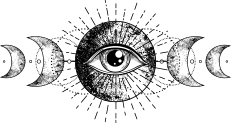
One of the most fascinating ancient practices was astrology, the belief that the positions of stars and planets could influence human lives. Ancient civilizations closely observed constellations and developed early forms of the zodiac signs. They believed that the alignment of celestial bodies at the time of birth could shape a person’s character, fortune, and destiny.
Some communities performed rituals during specific planetary alignments or lunar phases. These ceremonies were meant to seek blessings, predict future events, or understand natural phenomena such as droughts or harvest seasons. In some cultures, priests or astrologers were respected figures who interpreted the movements of the sky and advised leaders and communities.
Although these practices might appear unusual today, they reflect humanity’s early attempts to understand the universe. The stars offered a sense of order and meaning in a world that often seemed mysterious and unpredictable.
Today, astrology is still practiced by many people around the world, though it is generally seen more as a cultural or spiritual tradition than a scientific system. These ancient beliefs remind us that humans have always been fascinated by the cosmos and have long searched the skies for answers about life and destiny
Previous Story
Astrological Knowledge
Next Story